



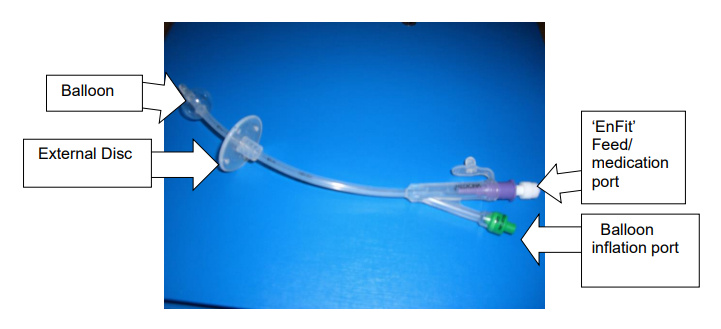
G tube is a medical device that helps people who cannot eat or drink normally get the nutrition they need. A g tube, short for gastrostomy tube, is a small, flexible tube that goes directly into the stomach through the skin. People who have difficulty swallowing or who are too weak to eat by mouth often rely on a g tube to stay healthy. This tube allows caregivers to give liquid food, medicine, and water safely without causing choking or discomfort. G tube care is important to avoid infections, blockages, or skin problems, and it can help people live a better life by giving them consistent nutrition. Parents, caregivers, and even patients themselves can learn how to use a g tube safely with some simple training. The tube can be temporary for short-term needs, or it can be long-term for chronic health conditions. Doctors usually decide on a g tube after evaluating a person’s health, nutritional needs, and ability to swallow. The procedure to place a g tube is called a gastrostomy, and it is done under local or general anesthesia depending on the patient’s age and condition. After placement, the site must be kept clean and monitored for any signs of infection, redness, or leakage. Nutrition through a g tube is carefully planned, often with the help of a dietitian, to ensure the patient receives all necessary vitamins, minerals, and calories. There are different types of g tubes, including the traditional tube with a balloon inside the stomach to hold it in place and low-profile buttons that sit flat against the skin for easier management. Feeding through a g tube can be done using syringes for bolus feeds, or pumps.
G Tube Guide: How It Works and Why It’s Important
A g tube is a small tube that goes directly into the stomach to help people who cannot eat normally get food and medicine. It is very important because it gives the body energy and nutrients safely. The tube can be used for children or adults who have trouble swallowing, are sick, or recovering from surgery. Doctors place it carefully and teach families how to use it. The g tube allows people to stay healthy, grow, and recover faster. With proper care, it can last a long time and make life easier. Learning how it works helps parents, caregivers, and patients feel safe and confident in using it every day.
G Tube Care Tips for Safe and Easy Feeding
Taking care of a g tube is very important to avoid infections, clogs, or pain. Always wash your hands before touching the tube or feeding. Clean the skin around the tube every day and check for redness or swelling. Flush the tube with water before and after every feed to prevent blockages. Use the correct food or medicine as your doctor tells you. Make sure the tube is secure but not too tight. Keep extra supplies handy in case of emergencies. Following these tips keeps the g tube safe, helps feeding go smoothly, and makes patients feel comfortable. Good care also helps families stay calm and confident while using the tube.
Understanding G Tubes: Types, Uses, and Benefits
There are different types of g tubes for different needs. Some tubes have a balloon to hold them in place, while others are flat buttons that sit on the skin. Doctors choose the best type depending on the person’s age, health, and how long the tube is needed. G tubes are used to give food, water, and medicine safely to people who cannot eat by mouth. The benefits are many: they prevent weight loss, support growth in children, and help adults recover from illness. Using a g tube also makes daily life easier because feeding can be done at home safely and without stress for patients and caregivers.
G Tube Feeding Made Simple for Kids and Adults
Feeding with a g tube can be simple when you know the steps. You can use a syringe for fast feeding or a pump for slow, continuous feeding. Always measure the food and water carefully according to your doctor’s plan. Sit or lie in a comfortable position during feeding. Flush the tube before and after giving food or medicine to avoid clogs. Watch for any signs of discomfort, redness, or blockage. Over time, feeding becomes easy and routine. Both kids and adults can enjoy their day while using a g tube safely. With practice, families feel confident and patients stay healthy and happy.
Common G Tube Problems and How to Solve Them
Sometimes g tubes can have problems like clogs, leaks, or irritation around the skin. If the tube is blocked, flushing with warm water usually helps. If the skin is red or sore, clean it gently and use doctor-approved ointments. Make sure the tube is not pulled or twisted, and check it every day. Some patients may have stomach discomfort, which can be solved by adjusting the feeding speed. Always contact your doctor if problems continue or worsen. Knowing common issues and solutions helps families feel prepared. Quick action can prevent complications, keep the g tube working, and ensure patients stay safe and comfortable.
G Tube Nutrition: Keeping Patients Healthy Every Day
A g tube helps people get the nutrition they need even when they cannot eat by mouth. Dietitians plan the right amount of calories, protein, vitamins, and water for each person. Feeding schedules can be short or long, depending on the patient’s health. Proper nutrition keeps children growing and adults strong. Flushing the tube regularly helps the body absorb the food well. Using the g tube correctly prevents weight loss, dehydration, and illness. Daily care and monitoring make sure the nutrition plan works. With a g tube, patients can enjoy safe, reliable meals, which supports health, energy, and recovery every day.
G Tube Safety: Tips for Families and Caregivers
Safety is very important when using a g tube. Always wash your hands before touching the tube or feeding. Make sure the tube is secure but not tight. Check the skin around the tube for redness, swelling, or leaks every day. Use only the foods, water, and medicines recommended by your doctor. Keep a clean area for feeding and store extra supplies for emergencies. Teach children and caregivers how to handle the tube carefully. Following these tips prevents infection, clogs, and accidents. Being safe with the g tube helps patients stay healthy and families feel confident while giving care.
Conclusion
G tubes are very helpful for people who cannot eat normally. They give food, water, and medicine safely into the stomach. With a g tube, patients can stay healthy, grow, and recover from illness. Families and caregivers can feel confident when they know how to use it properly. Learning to take care of the tube makes life easier for everyone.
Taking care of a g tube is simple when you follow the right steps. Washing hands, cleaning the tube site, and flushing the tube are very important. Checking for redness, swelling, or leaks keeps patients safe. Using the tube carefully prevents problems and makes feeding smooth. Families can enjoy peace of mind knowing the patient is getting proper nutrition.
G tube feeding can be done at home safely. You can use syringes for quick feeding or pumps for slow feeds. Following the doctor’s plan helps the body get the right amount of nutrients. Kids and adults can still enjoy daily activities while using the tube. Routine feeding becomes easier over time, and patients feel comfortable and happy.