



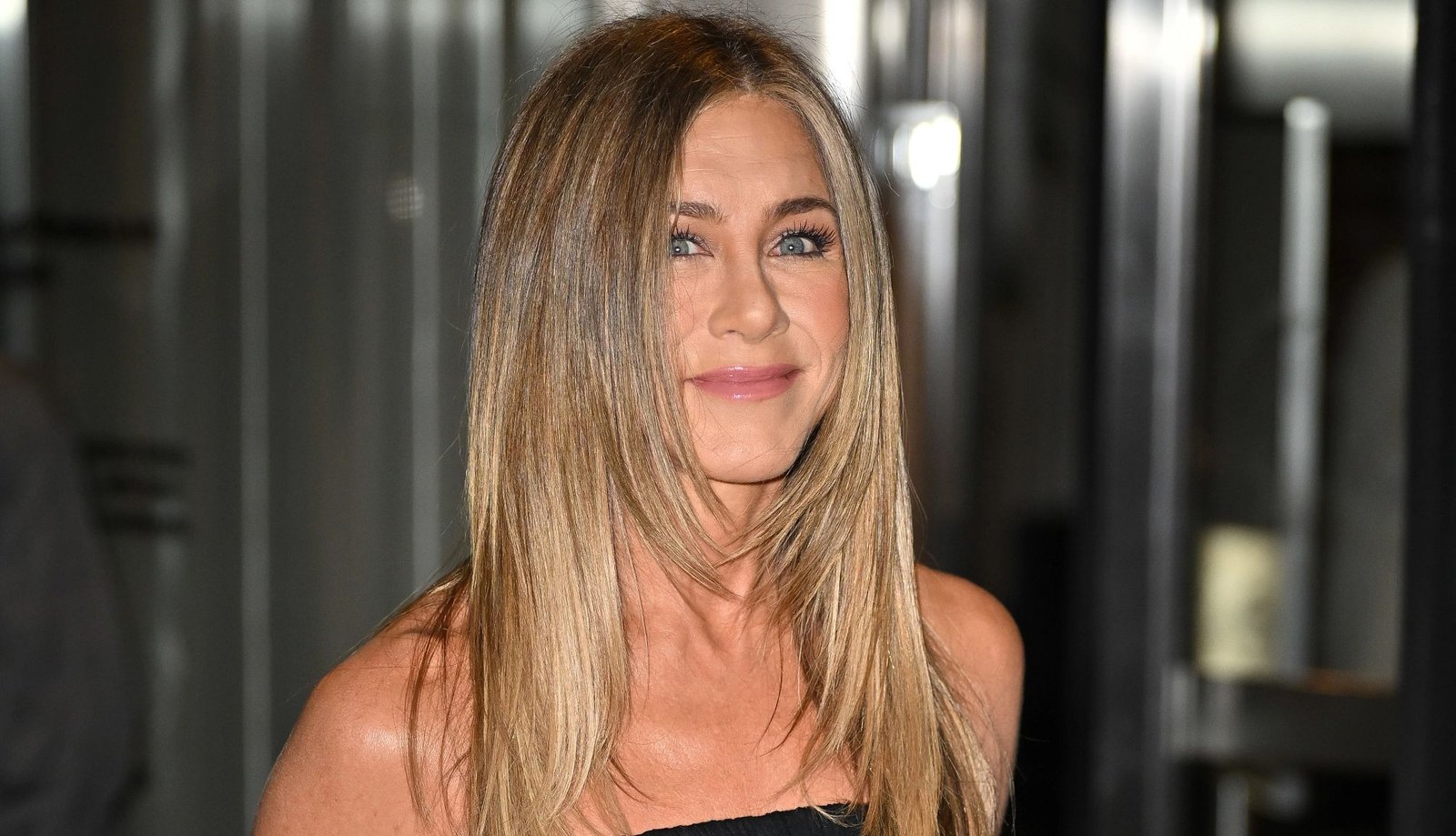
Jennifer Aniston has long been more than just a household name — she’s a cultural touchstone, a reflection of Hollywood’s evolution, and a living symbol of how authenticity and talent can coexist within the high-pressure world of fame. From her iconic portrayal of Rachel Green on Friends to her layered performances in The Morning Show, Jennifer Aniston’s career is both a timeline of television’s golden eras and a mirror held up to the changing face of celebrity.
The Birth of a Star: How Rachel Green Redefined Television
When Friends premiered in 1994, Jennifer Aniston character Rachel Green quickly became more than just a sitcom archetype. She was the spoiled-yet-endearing runaway bride who evolved into a self-made fashion executive, embodying a generation’s transition from youth to adulthood. Rachel wasn’t just funny — she was relatable, vulnerable, and real.
Aniston’s comedic timing, expressive eyes, and natural charm made Rachel one of the most beloved TV characters in history. The “Rachel haircut” became a cultural phenomenon, replicated in salons worldwide. But beyond style and wit, Rachel represented something deeper — the growing visibility of women charting independent paths, struggling with love, work, and friendship in a modern world.
Through Friends, Jennifer Aniston didn’t just become a star; she became a template for what female leads in ensemble comedies could be — flawed yet aspirational, emotional yet strong. Hollywood took notice, and a new standard for TV stardom was born.
From Sitcom Sweetheart to Serious Actress
It’s easy to typecast a sitcom star, but Jennifer Aniston resisted the trap early on. While Friends made her a household name, it also gave her the freedom to choose — and she chose reinvention. In the early 2000s, she transitioned into films, taking on roles in romantic comedies like The Break-Up and Marley & Me, balancing box-office appeal with emotional resonance.
But the turning point came with Cake (2014), where she shed her glamorous image and portrayed a woman grappling with chronic pain and grief. The performance stunned critics, earning her nominations from the Golden Globes and Screen Actors Guild. It was a powerful reminder that beneath her comedic polish lay a deeply serious actor capable of vulnerability and grit.
In Cake, Aniston proved she wasn’t confined to one genre. She could move audiences with silence as much as she could make them laugh. That duality — the ability to be both humorous and heartbreaking — has defined her Hollywood journey ever since.
The Morning Show: A New Kind of Power
In 2019, Jennifer Aniston returned to television with The Morning Show — not as a nostalgic comeback, but as a bold statement. The series, produced by Apple TV+, delves into the murky intersections of media, power, and gender politics. Aniston’s character, Alex Levy, is a respected news anchor confronting the fallout of a scandal that rocks her workplace.
Her performance is raw, complex, and achingly human. Alex isn’t the wide-eyed Rachel of Friends; she’s a woman seasoned by fame, responsibility, and compromise. The role gave Aniston the space to explore maturity on screen — not as a limitation, but as liberation.
Through The Morning Show, Jennifer Aniston became a producer, a storyteller, and a force behind the camera. The series not only earned her a Screen Actors Guild Award but also positioned her as one of Hollywood’s most influential women shaping narratives about power, gender, and truth.
Hollywood’s Mirror: The Jennifer Aniston Effect
What does Jennifer Aniston’s journey say about Hollywood? A lot — and not just about fame.
Her career reflects the industry’s ongoing struggle to balance authenticity with perfection. Hollywood often creates narrow boxes: the funny girl, the romantic lead, the dramatic actress. Aniston has broken each one, often simultaneously. She’s navigated transitions that derail most stars — from sitcoms to films, from youth to midlife roles — without losing her identity or audience.
She also redefined the image of aging in Hollywood. In an industry obsessed with youth, Jennifer Aniston embraces time with grace and candor. Her interviews often speak to self-acceptance, wellness, and boundaries — not as a marketing ploy, but as a personal truth. That honesty resonates in an era where audiences crave authenticity over artifice.
Moreover, her success as both an actress and producer demonstrates how women in Hollywood can claim creative control. Through her production company, Echo Films, Aniston champions projects led by strong female characters, echoing her own evolution from performer to powerhouse.
Beyond the Screen: The Business and the Brand
Jennifer Aniston’s influence extends far beyond acting. Her entrepreneurial ventures — from her role as the face of Aveeno and Smartwater to launching her clean haircare brand, LolaVie — show her business acumen and dedication to mindful branding.
What sets her apart is subtlety. Unlike many celebrities who rely on constant publicity, Aniston maintains a delicate balance of accessibility and privacy. Her social media presence feels personal yet poised, her public image consistent yet evolving.
This authenticity is her brand’s foundation — whether she’s discussing her wellness routines, producing new series, or simply sharing glimpses of her dogs. In a culture driven by oversharing, Jennifer Aniston’s restraint feels revolutionary.
Lessons from Rachel Green to Alex Levy
Rachel Green’s journey from dependent dreamer to empowered executive mirrors Jennifer Aniston’s own path through Hollywood. Both learned that independence doesn’t mean isolation, that reinvention is a lifelong act, and that resilience defines success more than fame ever could.
Through her work, Aniston has shown that Hollywood’s definition of success doesn’t have to be fleeting. It can be built on consistency, evolution, and quiet confidence. She reminds us that the roles we play — on-screen and off — can change without losing the core of who we are.
Why Jennifer Aniston Still Matters
In a landscape filled with fleeting trends and fast fame, Jennifer Aniston remains timeless. Her ability to evolve while staying authentic speaks volumes about why she still commands relevance after three decades.
Her story is one of endurance — of transforming challenges into creative opportunities, and of proving that likability and depth aren’t mutually exclusive. Whether she’s making audiences laugh, cry, or reflect, Jennifer Aniston continues to embody the rare balance of star power and sincerity.
Hollywood may have changed since Friends, but Jennifer Aniston hasn’t lost what made her special: a natural humanity that transcends scripts, genres, and generations.
Conclusion
Revisiting Jennifer Aniston career is like revisiting Hollywood itself — a journey of ambition, transformation, and the ongoing search for authenticity. She represents the modern artist’s dilemma and triumph: how to evolve without losing oneself.
Her trajectory — from Rachel Green to Alex Levy, from sitcom star to seasoned producer — illustrates how passion and perseverance can redefine longevity in an industry that constantly reinvents itself.
And as readers and fans, we keep watching not just because she’s Jennifer Aniston, but because she’s real — and in today’s entertainment world, that’s the rarest role of all.
For more thoughtful deep dives into pop culture and storytelling, visit mathtrivia, where entertainment meets insight.