



When you’re writing about famous places, geographic landmarks, or well-known travel destinations, it’s easy to overlook small grammar details that actually matter. One of the most common examples is how to correctly write the name of a popular attraction like Lake Texoma. If you’ve ever wondered why Lake Texoma should be capitalized, you’re not alone—many writers and travelers make the mistake of typing it as lake texoma or Lake texoma without realizing the grammatical rules behind capitalization.
This article breaks down exactly why Lake Texoma should be capitalized, how proper noun rules apply to geographic names, and why getting this small detail right improves clarity, professionalism, and readability. Along the way, we’ll also look at the background of the lake itself and how its name fits into broader English grammar patterns.
Understanding Why Lake Names Are Capitalized
To understand why Lake Texoma should be capitalized, we first need to explore the concept of proper nouns. Proper nouns refer to the specific names of people, places, or things—unique identifiers rather than general categories.
For example:
-
city (common noun)
-
Dallas (proper noun)
-
river (common noun)
-
Red River (proper noun)
In the same way:
-
lake is a common noun
-
Lake Texoma is a proper noun
English grammar rules require that both parts of a proper geographical name be capitalized. This means the generic word Lake becomes uppercase when paired with a specific name like Texoma. You’ll see the same pattern in other famous lakes:
-
Lake Michigan
-
Lake Tahoe
-
Lake Victoria
These names are treated as official titles. Dropping capital letters changes the meaning and makes the writing appear incorrect or unprofessional.
This is the core reason Lake Texoma should be capitalized every time it appears in written form.
The Structure of Geographical Names (and Why It Matters)
Many people misunderstand why places like Lake Texoma follow a two-word capitalization pattern. The simplest explanation is this:
When a common noun is part of an official name, it becomes a proper noun too.
This applies to:
-
Lakes
-
Rivers
-
Mountains
-
Parks
-
Cities
-
Regions
So, the following are all correct:
-
Mount Everest
-
Lake Texoma
-
Grand Canyon
-
Pacific Ocean
However, when you use these words generically, they are not capitalized:
-
“Let’s visit a few lakes in the region.”
-
“The river looks beautiful at sunset.”
-
“We camped near the mountain.”
But when referring specifically to Lake Texoma, the capitalization becomes necessary because you’re naming one particular lake—not just any lake.
Lake Texoma’s Name: A Blend of Two States
Another reason Lake Texoma should be capitalized is because its name represents a specific blend of geography and history. The name Texoma comes from combining Texas and Oklahoma—the two states between which the lake sits. Because both state names are proper nouns, any derivative like Texoma retains proper noun status.
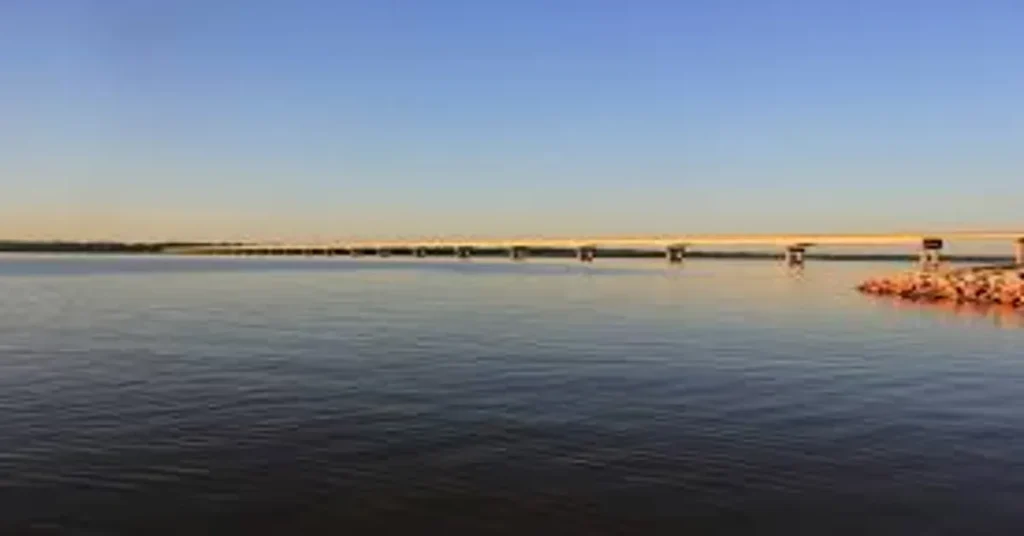
Lake Texoma was formed by the construction of the Denison Dam and is one of the largest reservoirs in the United States. Its official name is used consistently in tourism, government publications, maps, and travel guides—meaning capitalization is part of its formal identity.
Failing to capitalize the lake’s name not only breaks grammar rules but also detracts from the importance of a well-known landmark with millions of annual visitors.
Common Mistakes and How to Avoid Them
Writers often make simple mistakes when referring to Lake Texoma. Here are the most frequent ones:
1. Writing “lake Texoma”
This incorrectly treats lake as a generic word. Since it’s part of the official name, it must be capitalized.
Correct: Lake Texoma
Incorrect: lake Texoma
2. Writing “Lake texoma”
This capitalizes the generic part but not the unique proper name, which is also incorrect.
Correct: Lake Texoma
Incorrect: Lake texoma
3. Writing in fully lowercase (“lake texoma”)
This is the most common SEO or texting error, often due to quick typing.
Correct: Lake Texoma
4. Capitalizing only sometimes
Some writers capitalize it in the title but not in the body, or vice versa. Consistency is essential.
If you’re writing professionally, editing travel content, or creating SEO-optimized guides, avoiding these mistakes ensures your work meets grammar and style expectations.
Why Correct Capitalization Helps SEO and Professional Writing
Although it might seem like a small detail, using proper capitalization has several benefits, especially for writers, bloggers, and content creators.
1. Better Search Engine Recognition
Search engines can detect incorrect capitalization attempts, but proper nouns with correct capitalization tend to align better with user intent. When people search for “Lake Texoma,” they’re almost always capitalizing both words. Using the correct form helps search engines treat your content as authoritative and relevant.
2. Professional Credibility
Readers trust content that follows standard grammar conventions. If your article contains errors like lake texoma in lowercase, it can make your writing look rushed or inaccurate.
3. Improved Readability
Capitalized proper nouns visually stand out from surrounding text, making it easier for readers to identify places, names, and key terms.
4. Stronger Brand Identity in Travel Writing
If you’re creating travel guides, informational posts, or local-interest content, using correct capitalization helps maintain a consistent and polished tone.
All of these are solid reasons why Lake Texoma should be capitalized whenever you mention it.
Lake Texoma’s Significance Makes Proper Naming Even More Important
Beyond grammar rules, Lake Texoma is an iconic landmark worth naming correctly. Spanning the Texas–Oklahoma border, it’s known for:
-
Fishing tournaments
-
Boating and water sports
-
Camping and hiking
-
Scenic waterfront cabins
-
Wildlife-rich surroundings
The lake draws millions of visitors each year, making it one of the most significant recreational lakes in the region. Because it’s widely recognized, the name appears in countless publications, maps, brochures, and park guides—all of which capitalize it properly.
Using correct capitalization helps preserve this consistency and honors the lake’s official identity.
Practical Tips for Always Writing “Lake Texoma” Correctly
If you write about Lake Texoma often—whether for travel blogging, SEO content, or local tourism publications—here are a few ways to ensure you always capitalize it properly:
Use a writing tool that flags lowercase proper nouns.
Most grammar checkers will instantly mark lake texoma as an error.
Create a style guide for your content.
If your blog or company writes about U.S. lakes regularly, include a capitalization rule section.
Remember the rule: generic words become proper nouns in official names.
If Lake Michigan and Lake Tahoe are capitalized, so is Lake Texoma.
Double-check title case rules for headlines.
In titles, every major word is capitalized anyway, but you should still ensure the name is correct.
Keeping these simple reminders in mind will help you maintain accuracy and consistency in all your work.
Final Thoughts: Why This Small Detail Matters
It may seem like a tiny detail, but writing Lake Texoma with proper capitalization is part of strong, accurate communication. Understanding why Lake Texoma should be capitalized not only teaches you something about grammar—it also reflects respect for an important natural landmark and improves the clarity of your writing.
Whether you’re crafting a travel article, an SEO guide, or a casual blog post, getting the name right shows that you care about details, precision, and professionalism. And on platforms like mathtrivia, accuracy in language is one of the most powerful ways to build trust with your readers.